Overview
Following a shift to a product-centric operating model, the association lacked a consistent way to evaluate product health across its portfolio. Product teams relied on fragmented metrics and subjective assessments, making it difficult to identify risk, prioritize work, or align on investment decisions.
I led the design of a standardized product health framework and dashboard that translated complex system data into clear, actionable signals—enabling product managers and leadership to assess performance and make more informed decisions.
Impact
While exact metrics are confidential, the solution drove measurable improvements in how teams operated:
Improved speed of decision-making
Product managers were able to assess product health more quickly and identify areas needing attention
Product managers were able to assess product health more quickly and identify areas needing attention
Increased adoption of standardized metrics
Teams aligned around a shared definition of product health, reducing ambiguity and inconsistency
Teams aligned around a shared definition of product health, reducing ambiguity and inconsistency
More proactive issue identification
Clear visibility into health signals enabled earlier detection and resolution of product issues
Clear visibility into health signals enabled earlier detection and resolution of product issues
Higher user satisfaction
Product managers reported greater confidence in understanding and acting on product performance
Product managers reported greater confidence in understanding and acting on product performance
Context & Challenge
As part of a broader organizational transformation, the association had recently defined its product taxonomy—creating visibility into what products existed, but not how well they were performing.
This created a critical gap:
No shared definition of “product health”
Inconsistent reporting across teams
Limited ability to prioritize investments or identify at-risk products
The challenge wasn’t just to design a dashboard—it was to create a shared system of understanding that could scale across teams and support decision-making at multiple levels of the association.
Key Insights
Through user interviews with product managers and stakeholders, several patterns emerged:
Health was inconsistently defined
Teams used different metrics and thresholds, leading to misalignment and unclear priorities
Teams used different metrics and thresholds, leading to misalignment and unclear priorities
Existing tools were too fragmented or too detailed
Users struggled to quickly assess the overall status without digging through multiple data sources
Users struggled to quickly assess the overall status without digging through multiple data sources
Decision-making required both speed and depth
Product managers needed a quick, high-level signal, but also the ability to drill into underlying issues
Product managers needed a quick, high-level signal, but also the ability to drill into underlying issues
Trust in data was a barrier to adoption
Without transparency into how metrics were calculated, users were hesitant to rely on dashboards
Without transparency into how metrics were calculated, users were hesitant to rely on dashboards
Design Approach
Rather than starting with UI, I focused on defining the structure of product health itself.
1. Establishing a Tiered Health Model
I designed a system that aggregated multiple inputs into a clear, top-level health signal (e.g., healthy, at risk, critical), allowing users to understand status at a glance.
2. Balancing Simplicity and Depth
To support both quick assessments and deeper analysis, I introduced a progressive disclosure model:
High-level summary for rapid scanning
Drill-down views to explore contributing metrics and root causes
3. Creating Consistency Across Products
I worked with cross-functional partners to standardize how health metrics were defined and displayed, ensuring alignment across teams while allowing for product-specific nuance.
4. Designing for Trust and Transparency
To increase confidence in the system, I incorporated clear metric definitions and contextual information, helping users understand how health scores were derived.
Solution
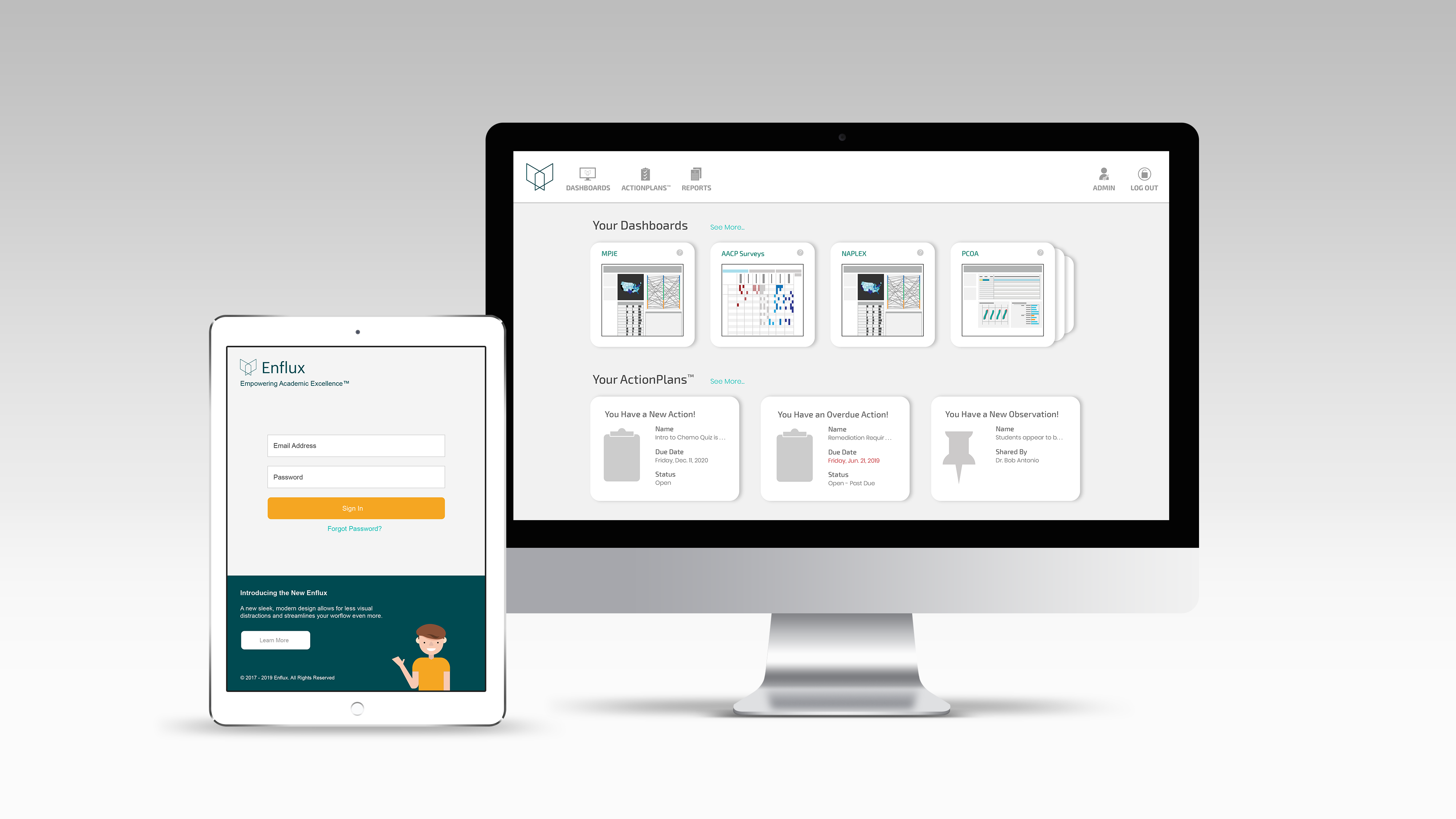
The final solution was a centralized product health dashboard that enables:
An at-a-glance understanding of product performance through a standardized health signal
Deeper analysis via drill-down views into contributing metrics
Cross-team alignment through consistent definitions and visualization of health
Faster decision-making by reducing the effort required to interpret complex data
The experience was designed to integrate into existing workflows, making it easier for product managers to assess and act on product health regularly.