Overview
The compliance function's onboarding experience was inconsistent, time-intensive, and heavily reliant on senior leadership, leading to inefficiencies and a poor experience for new employees.
I led the design and development of a digital onboarding journey that enabled new hires to ramp more quickly, reduced dependency on leadership, and improved early-stage engagement and retention of critical information.
Impact
~8 hours saved per new employee for senior leadership
Reduced time spent on repetitive onboarding activities
Reduced time spent on repetitive onboarding activities
Improved information retention among new hires
Structured, self-paced learning increased understanding of key concepts
Structured, self-paced learning increased understanding of key concepts
Faster onboarding and time-to-productivity
New employees were able to ramp up more efficiently
New employees were able to ramp up more efficiently
Improved early-stage employee experience
Increased clarity, confidence, and engagement during onboarding
Increased clarity, confidence, and engagement during onboarding
My Role
Led end-to-end design and development of a digital onboarding experience
Conducted user research with new hires and stakeholders to identify onboarding gaps
Defined the structure and flow of onboarding content to support self-paced learning
Built the final experience using front-end technologies (HTML, CSS, JS)
Context & Challenge
The onboarding process relied heavily on a well-maintained PowerPoint deck and synchronous time with senior leaders, and it lacked a consistent structure, creating several issues:
New employees felt overwhelmed and unclear on role expectations
Information was delivered inconsistently and often forgotten
Leaders spent significant time repeating onboarding information
There was no centralized source for tools, resources, or guidance
The challenge was to design a scalable onboarding experience that improved clarity and confidence for new hires while reducing the operational burden on leadership.
Key Insights
New hires experienced high anxiety and low clarity early on
A lack of structured guidance made it difficult to understand expectations and where to start
A lack of structured guidance made it difficult to understand expectations and where to start
Information overload reduced retention
Critical knowledge shared verbally during the onboarding process was often forgotten or misunderstood
Critical knowledge shared verbally during the onboarding process was often forgotten or misunderstood
Leaders were over-utilized for repeatable onboarding tasks
Time spent on onboarding limited their ability to focus on higher-impact work
Time spent on onboarding limited their ability to focus on higher-impact work
Access to tools and resources was fragmented
New hires struggled to find what they needed to be successful
New hires struggled to find what they needed to be successful
Design Approach
1. Designing for Self-Paced Learning
I structured the experience to allow new hires to onboard at their own pace, reducing cognitive overload and improving comprehension.
2. Reducing Dependency on Leadership
I identified repeatable onboarding interactions and translated them into reusable digital content, freeing up leadership time.
3. Organizing Around Immediate Needs
Content was prioritized based on what new hires needed in their first days and weeks, rather than mirroring internal org structures.
4. Reinforcing Understanding Through Structure
I created a clear, guided flow that helped users build confidence progressively rather than overwhelming them upfront.
Solution
A responsive digital onboarding experience that:
Centralizes essential information, tools, and resources
Guides new hires through a structured, self-paced onboarding journey
Reduces reliance on synchronous onboarding from leadership
Improves early understanding of role expectations and company systems
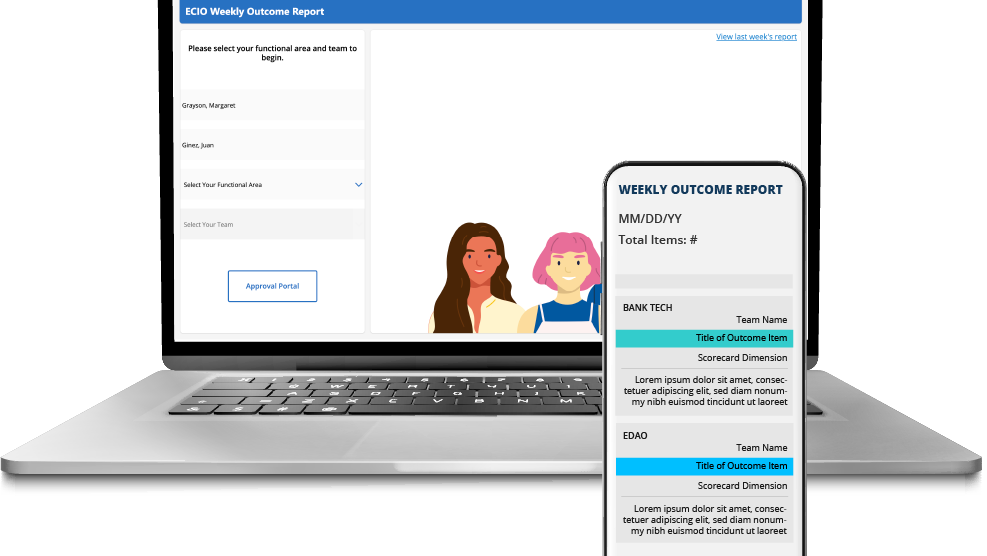
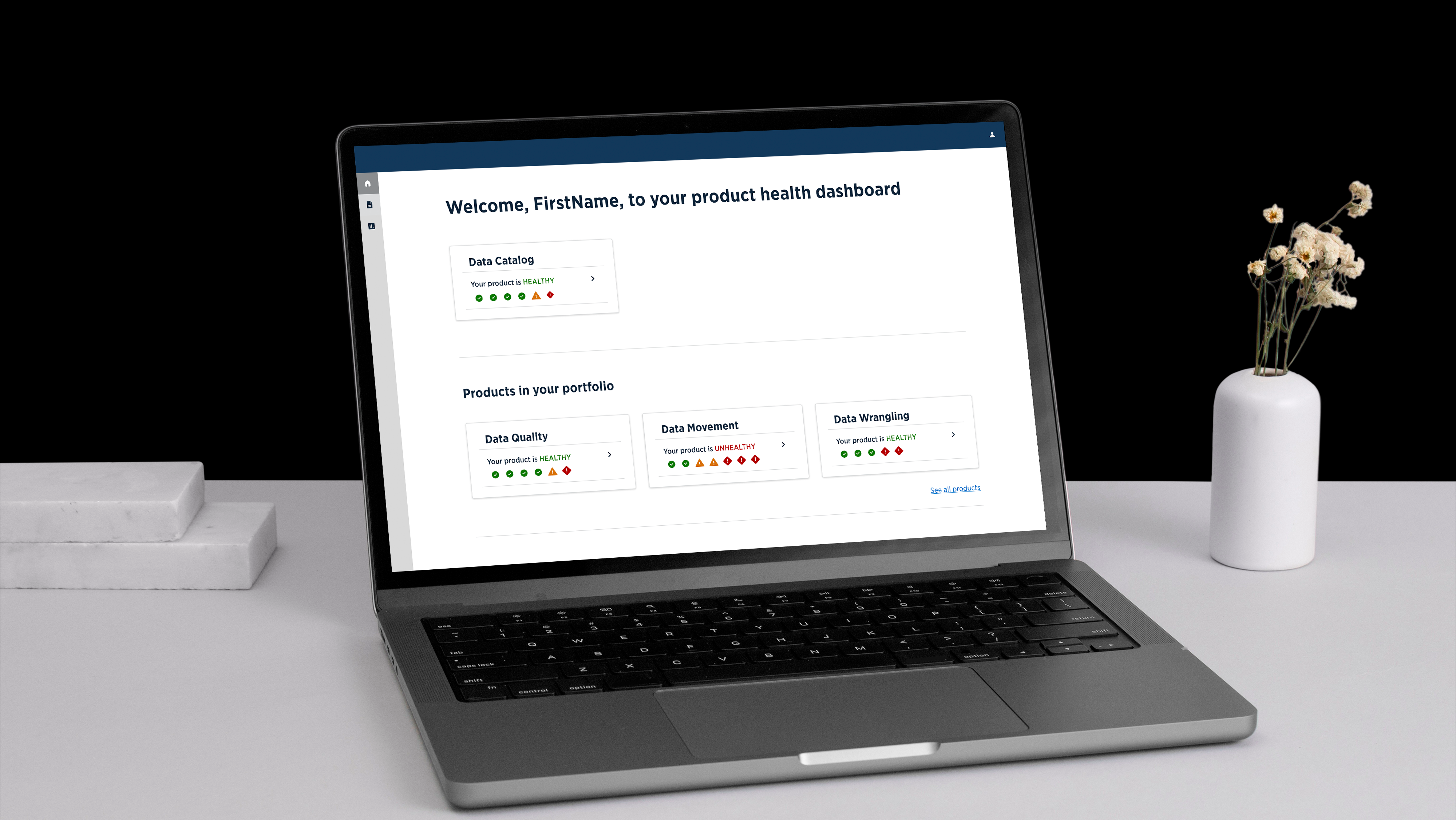
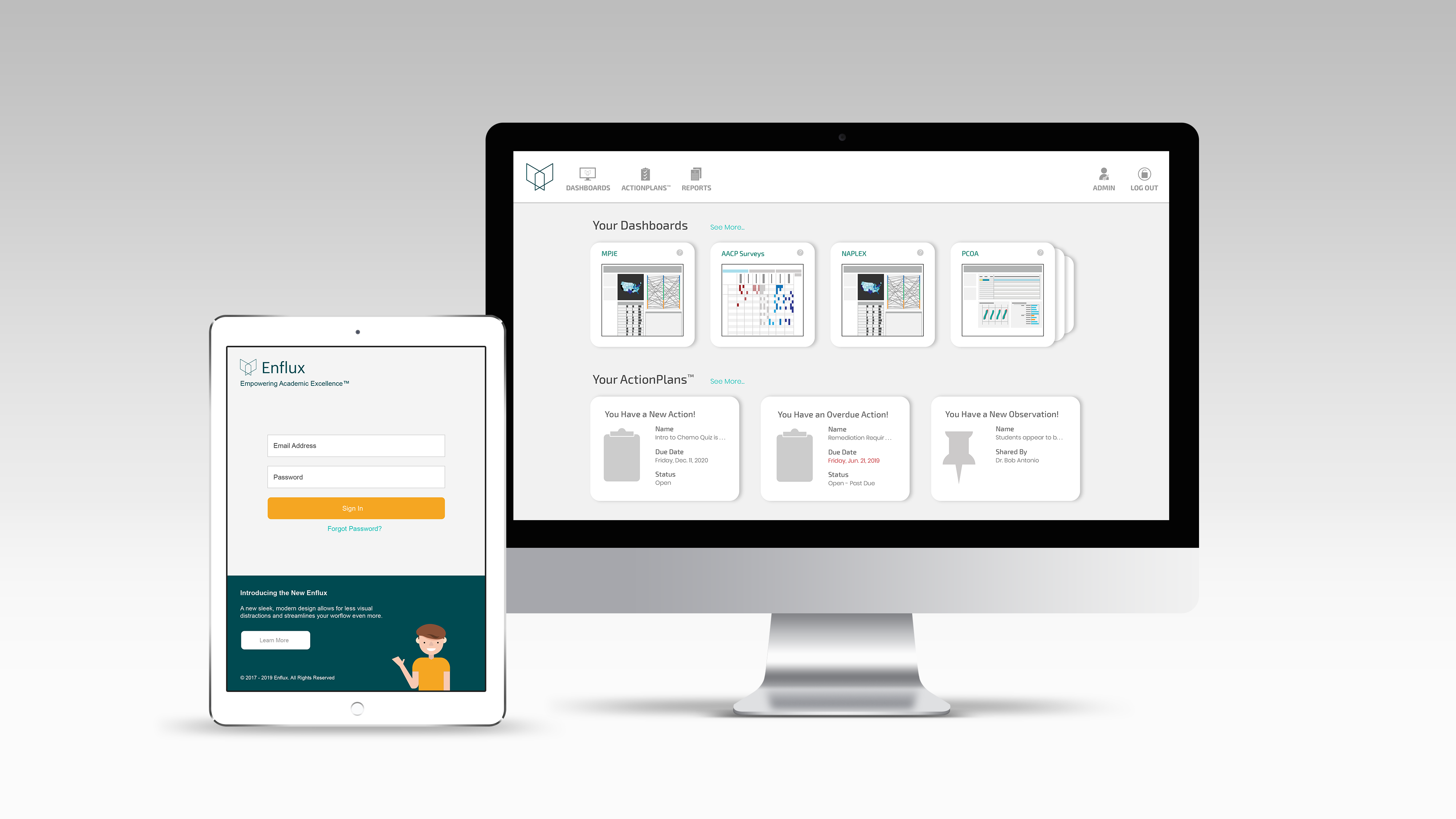
The experience was built using the organization’s design system, with targeted customizations to better support onboarding-specific needs.